


Joint Mobilization Techniques Used to Restore Motion and Confidence
Joint stiffness can quietly change how you live your day. Reaching overhead feels restricted. Squatting feels tight or uneven. Turning your head or trunk takes extra effort. Many people notice these limits before pain becomes the main issue.
At Full Strength, joint mobilizations in Alexandria, VA, Springfield, VA and Arlington, VA are used to help restore movement so your body can move more freely, respond better to strength training, and handle daily and athletic demands with greater confidence.

What Joint Mobilizations Are Designed to Address
Joint mobilizations are hands-on techniques that apply controlled movement to specific joints. These techniques help improve joint motion, reduce protective stiffness, and improve how the nervous system allows movement.
People choose joint mobilizations at Full Strength because they want more than temporary looseness. They want movement that carries over into exercise, daily activity, and long term progress.
Situations Where Joint Mobilizations Are Often Helpful
- Limited joint range of motion that affects lifting, walking, or reaching
- Stiffness after injury or surgery
- Movement restrictions that block strength progress
- Training limitations caused by reduced joint mobility
- Recurring stiffness
Injury Recovery
Improving Motion So Movement Feels Possible
This pathway focuses on restoring joint motion so exercises and daily activities feel more accessible.
- Targeted joint mobilizations to improve specific movement restrictions
- Immediate movement integration to reinforce new range
- Strength exercises that support joint control
- Education around joint mechanics so changes make sense
- Progression planning that shifts focus from stiffness to capacity
- Clear expectations so mobilizations support progress, not dependence
Health and Performance
Maintaining Joint Freedom Under Load
Joint mobilizations can also support people who train, lift, or stay active and want movement to remain efficient as demands increase.
- Addressing joint stiffness from training volume
- Supporting movement quality during strength and conditioning phases
- Improving joint readiness for loaded movement
- Reducing compensations that increase joint stress
- Strategic use during higher demand periods
- Movement follow through that preserves mobility gains
Why People Trust Full Strength for Joint Mobilizations

Mobilizations are purposeful. We explain why they are used and when they matter.

Movement always follows. New motion is reinforced immediately.
Progress stays the focus. Mobility supports strength and confidence.
Your independence is respected. The goal is lasting movement, not repeated treatment.
Your plan stays clear. Every technique fits into a bigger picture.
-
“Care That Changes Lives”
After a devastating accident, I did not think walking again was possible. Michelle and Colleen supported me physically and mentally every step of the way, and their compassion and expertise made my recovery possible.
–
Heather A.
-
“Back on the Water”
Alec, Cassie, and the Solutions team worked on my knee and got me back into my canoe on the Potomac. Fantastic care that really gets results!
–
David W.
500+ five-star
google reviews
17+ years serving arlington,
alexandria, & springfield
A Practical Way to Restore and Use Joint Motion
Joint mobilizations can help unlock movement, but lasting change comes from how you use that motion afterward. When combined with the right exercises and guidance, they support stronger, more confident movement over time.
If joint stiffness is limiting how you move in Alexandria, VA, Springfield, VA or Arlington, VA, reach out to Full Strength. We will help you understand what is restricting motion and guide you toward a plan that turns mobility into real progress.
Stronger for life includes joints that move well and work well.
Frequently Asked Questions
Do joint mobilizations crack or pop joints?
How long do mobility gains from joint mobilizations last?
Will I need joint mobilizations long term?

a simple plan to get you moving forward
Your next steps
Schedule your assessment
An expert PT will listen to you and assess your problem.
Get your personalized plan
Know exactly what to focus on, and what to do next.
Keep Progressing with Expert Guidance
Improve how you move so your results last.
related blogs
-
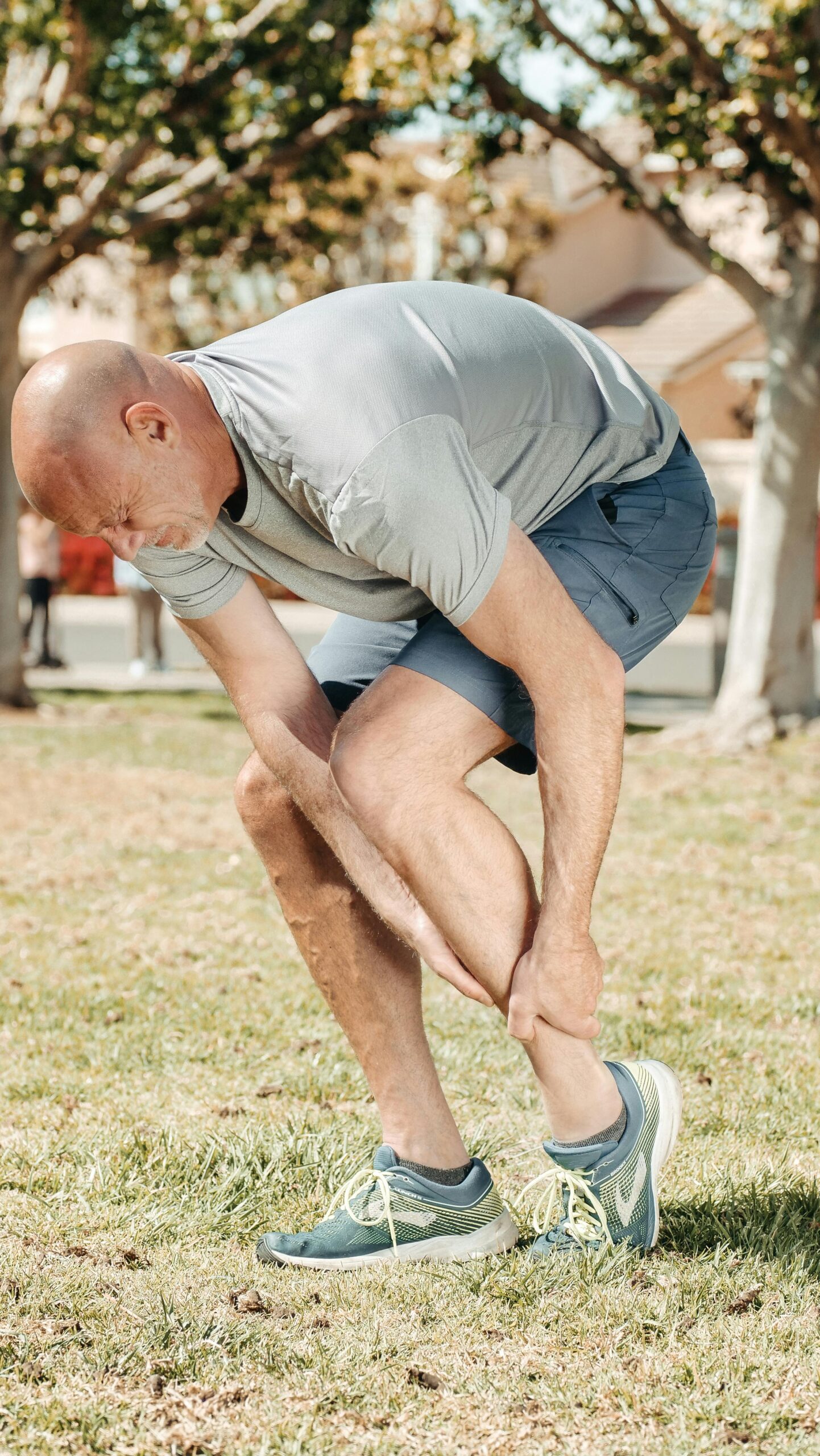
Why Runners Over 40 Get Injured (And What to Do About It)
Reduce running injuries with expert tips to improve form, build strength, and stay consistent so you can run pain-free and perform at your best.
-
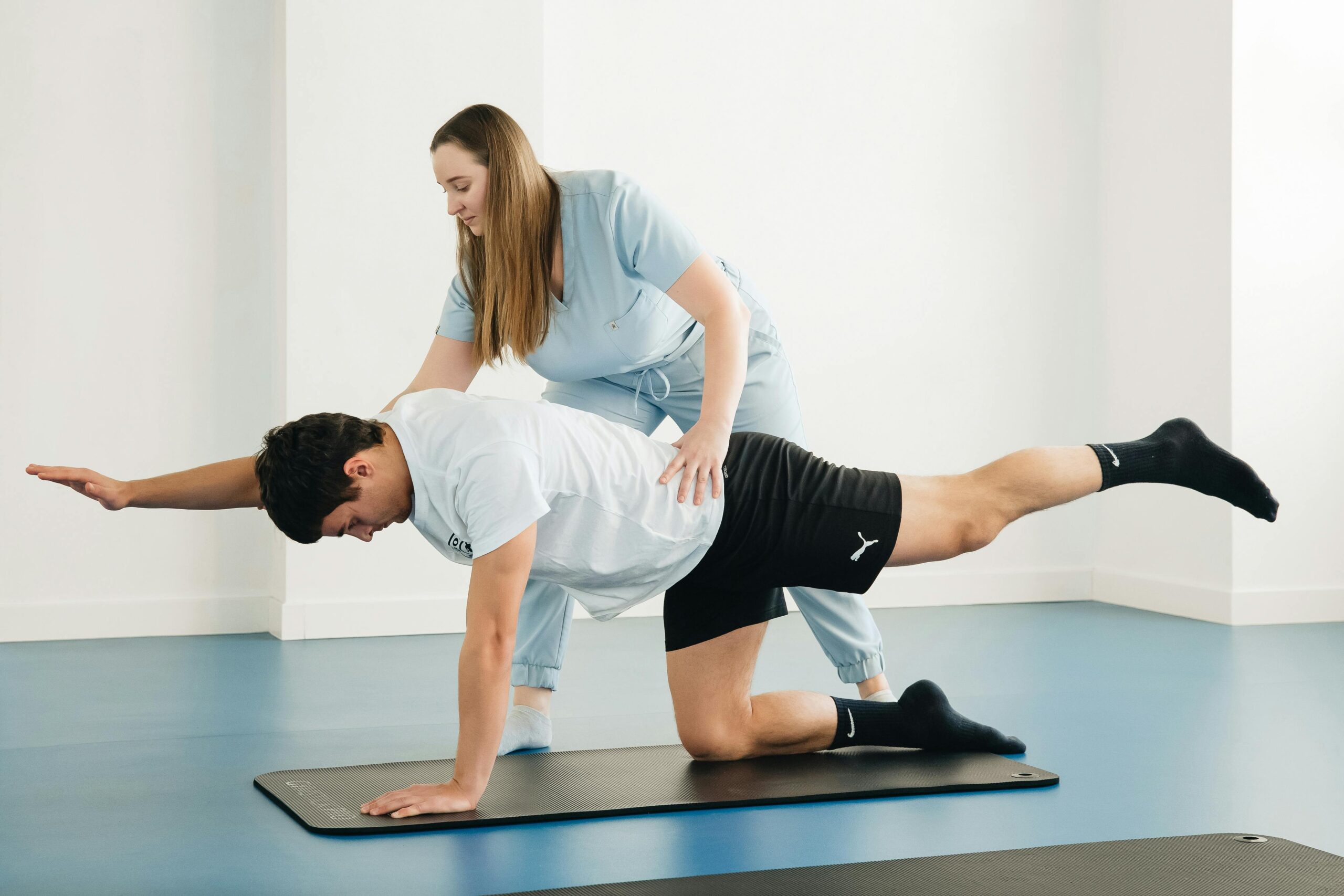
5 Proven Physical Therapy Strategies to Speed Up Sports Recovery
If you’re an active adult, recreational athlete, or competitive player, chances are you’ve asked some version of this question: “How can I recover faster from sports without getting hurt again?” Sports recovery matters more now than ever. Busy schedules, aging tissues, and higher training loads mean that soreness lingers longer, injuries stack up faster, and